
Is Your Soil Compacted? 5 Signs to Look For
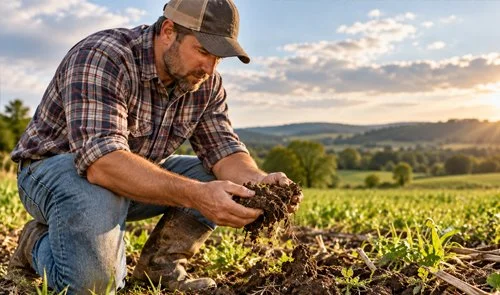
Healthy soil contains tiny spaces that allow water, air, and plant roots to move through the ground. When soil becomes compacted, these spaces are reduced, making it harder for plants to thrive. Compaction can result from heavy equipment, livestock traffic, repeated foot traffic, or working soil when it is too wet.
Here are five signs you can look for without expensive equipment.
1. Standing Water After Rainfall
Water that collects on the surface or runs off rather than soaking into the ground may indicate compaction. Pay attention to areas where equipment, livestock, or people frequently travel. Poor drainage and heavy clay soils can cause similar conditions.
2. Shallow or Restricted Roots
Dig up a plant and examine its roots. Roots that turn sideways, grow along cracks, or stop growing downward may have encountered a compacted layer. Compare roots from different areas to identify unusual growth patterns.
3. Hard Soil That Is Difficult to Penetrate
Push a long screwdriver or metal rod into moist soil. If you encounter strong resistance at a consistent depth, a compacted layer may be present. Test several locations, since naturally dry soil can also be difficult to penetrate.
4. Uneven or Stunted Plant Growth
Thin grass, smaller plants, or patches of poor growth may indicate restricted root development. Look for patterns near gates, feeding areas, walking paths, and equipment tracks. Other soil conditions can produce similar symptoms.
5. Large, Dense Soil Clumps
Dig a small sample of moist soil and gently break it apart. Soil that separates into hard, dense chunks rather than smaller, crumb-like aggregates may have poor structure. Compare it with soil from a nearby undisturbed area.
What Is Your Soil Telling You?
No single sign confirms compaction, but several occurring together may indicate a problem. Avoiding unnecessary traffic on wet soil, maintaining ground cover, and encouraging healthy root growth can help protect soil structure.
Next week, we'll explore water infiltration and why it matters for healthy soil.
Source Notes
USDA Natural Resources Conservation Service (NRCS), soil compaction and soil health educational resources.
University and Cooperative Extension resources on identifying soil compaction and improving soil structure.
