
Protecting your soil today helps build healthier ground for tomorrow.
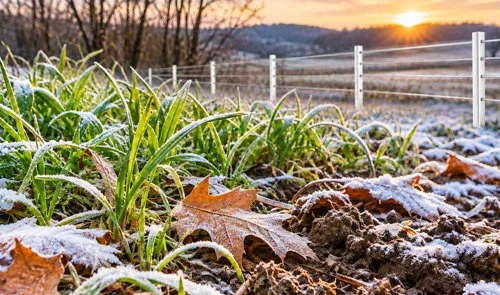
As temperatures drop and the growing season comes to an end, it's easy to overlook what's happening beneath our feet. While plants may slow their growth during winter, the soil remains an important living ecosystem that needs protection.
Leaving soil bare during the colder months exposes it to wind, rain, and changing temperatures. Fortunately, a few simple regenerative practices can help protect your soil until spring.
Why Soil Cover Matters
Bare soil is more vulnerable to erosion, especially during heavy winter rains. Without plant cover, rainfall can wash away valuable topsoil, while repeated exposure to the elements can damage soil structure.
Keeping the ground covered helps reduce erosion, moderate soil temperatures, and protect the organisms that contribute to healthy soil. It can also improve water infiltration and help retain moisture for the next growing season.
Natural Ways to Protect Your Soil
One of the easiest ways to protect soil is to leave fallen leaves and plant residue in place. These materials provide a protective layer while gradually breaking down and returning organic matter to the ground.
Cover crops are another valuable option. Winter-growing plants such as cereal rye, oats, and certain clovers can help hold soil in place, support living roots, and provide habitat for beneficial soil organisms. The best choice depends on your location and growing conditions.
For pastures, maintaining adequate grass cover through thoughtful grazing management helps prevent exposed ground and protects the soil throughout winter.
Building Healthier Soil Naturally
At the USA Regenerative Agriculture Alliance (USARAAI), we encourage practices that support soil health without relying on fertilizers, pesticides, or herbicides. Keeping soil covered is one of the simplest ways to work with nature.
Whether you're managing a farm, pasture, or backyard garden, protecting your soil during winter helps preserve its structure, support biological activity, and prepare for healthier growth in spring.
Remember: Healthy soil doesn't take the winter off, and neither should our efforts to protect it.
Source Notes
USDA Natural Resources Conservation Service (NRCS) — Soil Health Principles: Keep the Soil Covered.
USDA NRCS — Educational resources on cover crops and erosion prevention.
Cooperative Extension resources on winter soil protection and cover crop management.
Coming Next Week: Cover Crops: Choosing the Right Plants for the Job. Learn how different cover crops can help protect soil and support regenerative agriculture.
