
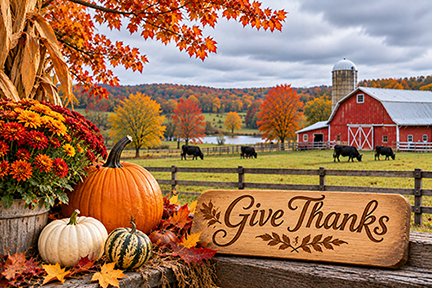
Take a walk out to your pasture this week before the turkey goes in the oven. Everything looks like it’s winding down for the year. The grass is getting brown, the wind is getting colder, and those first hard frosts have locked up the top couple inches of dirt. Stand at the fence line, and you’d swear the whole place has clocked out until spring. Down under your boots, though, the work hasn't stopped.
Roots don't quit for the season
Most pasture grasses are perennials. They don't die off when the holidays roll around. Instead, they pull their energy down into the crown and settle in for the cold. Even when the blades up top aren't growing an inch, those deep roots are still holding your ground together. Without them, heavy winter rains would wash your best topsoil straight into the Nolichucky River. Those roots also keep tiny open channels in the dirt, so cold rain and melting snow actually soak in instead of running off into the ditch. Get a random string of mild days in December or February and cool season grasses will jump right on it, pushing out a little green as soon as the dirt warms up a few degrees.
Soil life just slows way down
Earthworms, fungi, and bacteria don't vanish when Thanksgiving hits. They just drop down below the frost line and slow their metabolism to a crawl. Even on a slower clock, they are still chewing through old dead grass and recycling nutrients all winter long. All that trampled grass and dead leaves lying on top isn't messy. It's a winter blanket. It keeps ground temperatures from drastically changing and feeds the microbes that will wake your grass back up come spring.
How you treat the top matters
What you do on a dormant pasture right now decides how fast it bounces back when the weather finally breaks. Leaving decent residual grass going into winter gives the soil a buffer against driving sleet, biting wind, and those constant freezing and thawing cycles that literally heave roots right out of the dirt. The worst mistake you can make over the next few months is letting cattle or horses camp out on soaked, muddy ground. Once the frost comes out and things turn to slop, heavy hooves punch down and compact wet soil fast. You end up suffocating the roots and tearing up sleeping grass crowns, which practically invites spring weeds to take over bare spots.
At USARAAI, we believe in working with these natural cycles instead of trying to force things with synthetic fertilizers, pesticides, or herbicides. You don't need some complicated winter game plan. Keep your ground covered, and stay off the mud when you can.
A little patience pays off
"Have patience, have patience, don't be in such a hurry." If you grew up singing along to Herbert the Snail, you know that tune well, and it applies in agriculture too. This week is all about counting our blessings, and a resting pasture deserves a spot on that list. Your fields might look asleep, but next year’s grazing season is being built right now in the dark. Every root and earthworm that makes it through the freeze pays you back once the sun comes out. Protect the cover you’ve got today, and you’ll see the difference the second spring hits.
Upcoming December Topics:
Dec. 1: A Winter Blanket for Your Garden. How fallen leaves and natural mulch protect soil during cold weather.
Dec. 8: Preparing Your Garden for a Cold Freeze. Protecting plants and soil as winter temperatures arrive.
Dec. 15: Growing Green Through Winter. Vegetables and herbs that can thrive during the colder months.
Dec. 22: The Gift of Healthy Soil. Simple ways to care for your soil during the Christmas season.
Dec. 29: New Year, New Growth. Preparing your garden for a healthy spring.
